A recent scientific study has shown that using more energy when it is cheaper could lead to being forced to switch to the insidious Demand Tariff, likened to a kind of surge pricing that sticks around.
To explain, Demand Tariff is an electricity pricing system based on your highest electricity usage during a specific period. It has snuck in and is quietly replacing either a single-rate (same price all day and night) or a TOU (time-of-use) plan, based on peak, shoulder, and off-peak rates that vary by season and weekend use.
Demand Tariff has been made possible by smart meters. In NSW, at least, when you get a smart meter (and all homes will eventually have one by 2030), the default is Demand Tariff. Energy retailers can also force you off single-rate or TOU plans. But it is little known that if you are on Demand Tariff, you can ask to switch to TOU, although it may require switching energy retailers. The Australian Energy Market Commission is introducing new rules to give customers more control over switching to new tariffs.
So, what is wrong with the Demand Tariff?
It is supposed to encourage users to spread out energy use so that the grid is not overloaded. Imagine during peak TOU, putting on the dishwasher, dryer, washing machine, and more, and watching the electricity meter spin even faster.
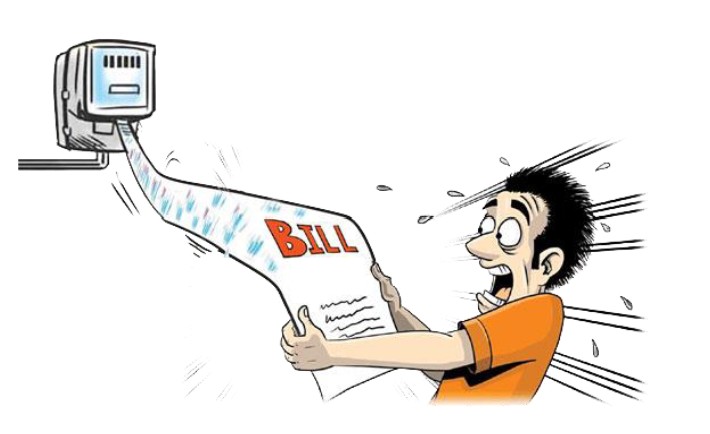
However, as the ABC found, it removes certainty from fixed prices, leading to surge prices, and can cost households hundreds of dollars more if they forget to ration their electricity.
“Just slugging consumers for more money merely shifts it into the coffers of the retailers and the distributors rather than reducing demand, which is what it’s intended to do.” Energy Consumers Australia (ECA).
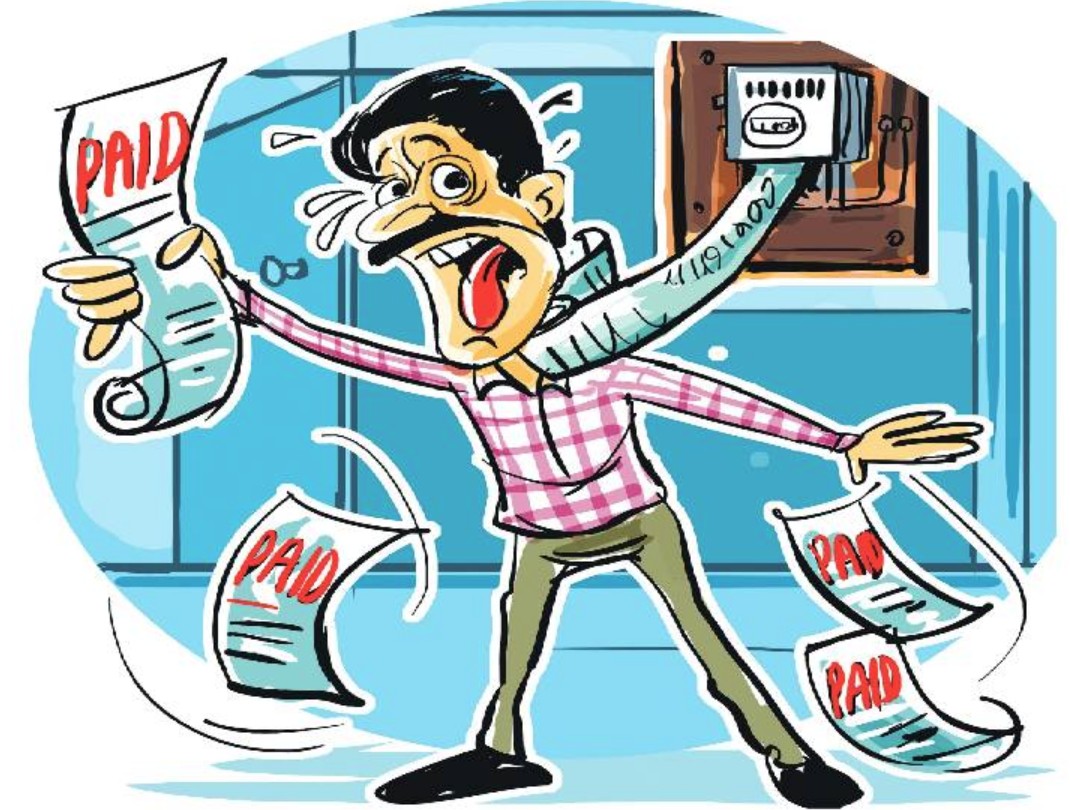
There are hidden traps that can force you onto Demand Tariff.
For example, charging EVs during peak tariff periods is definitely not advisable. So, you charge overnight at cheap off-peak tariffs. The problem is simply this. Many users are charging their 50- to 120-kWh EVs from 10 PM to 7 AM using the 25-cent per kWh (approx.) off-peak tariff.
Estimates indicate that approximately 12,400 megawatt-hours (MWh) per day are being sucked at a time when the grid load is typically low and the price reflects power demand. TOU calculations were not designed for that, so either your rates will increase, or you will be forced onto Demand Tariff.
It also impacts non-EV owners. For example, shift workers or others who use more power off-peak than during peak hours. Or those that need expensive heating and cooling, air conditioning, at off-peak times.
The demand tariff could increase an EV’s 50/100W off-peak charge from $15 to $50-100 or more to fill up. That 5kW ducted A/C run for eight hours could go from $10 per night to $40. Of course, these figures are theoretical, but readers have seen far higher demand tariff rates.
Consider that a typical home only draws 20-30 kWh per 24-hour period. It is not hard to see the impact of a further 50-120kWh to charge the EV or run the A/C.
Demand tariff is one merry-go-round that is hard to get off.
The energy supply industry is seriously considering introducing a demand tariff for EV owners.
Now there are two aspects to this.
In countries with high EV usage, like Norway, where 90% or more of cars are EVs and where hydro energy is cheap and almost unlimited, there is no issue. But with the unrest in Europe and increasing demands to export power, it is considering how to spread EV charging throughout the day to balance loads. The likely answer is that it will provide low-cost power for home needs (based on your average base load) and higher-cost power for excess use.
Australia has low EV penetration. EVs accounted for only 9.65% of car sales in 2024, or approximately 248,000 cars and commercial EVs on the road. Energy suppliers view Demand Tariff as a means of rationing available power through punitive charging. In high EV penetration areas, energy retailers are being hit with off-peak power costing 20-30 times more.
And don’t think rooftop solar is the answer as it is only productive during the day, and battery take-up is minimal. In any case, you would need 50 to 100kWh batteries to charge an EV. Your rooftop solar capacity would also need to increase substantially to provide an additional 50 to 100 kW.
The cure-not!
Australian Energy suppliers are a greedy lot and care more about their shareholders than customers. Soon, you will start to see EV owners (with smart meters) being placed on the Demand Tariff. This overrides Time of Use (TOU), which means you lose the advantage of different peak, shoulder, and off-peak rates.
The justification :
EV charging loads can significantly increase electricity consumption and may cause adverse effects on the grid, such as significant load variations, high peak loads, and power quality degradation. Demand tariff pricing reflects the additional cost of building and maintaining a larger grid that can supply customers who use a large amount of electricity at any time.
This is a sledgehammer approach favoured by the Australian Renewable Energy Agency (ARENA). It aims to change energy use behaviour, but it won’t work. You need power when you need it, and it does not address the root of the problem – inadequate power generation at night, which has been exacerbated by the shift towards renewable energy.
The problem is that trials by Origin Energy and ARENA found that many motorists do not pay as much attention to optimal charging times because they want plug-and-forget convenience.
“If we all end up having EVs and charging them at the same time, then no doubt the distribution system won’t be able to cope. Extra investment (in generation capacity) will have to be made, and that will cost all of us on our electricity bill too.” ARENA
I’mTech’s insight: Demand Tariffs are a sneaky way to make us all pay
We are being pushed to buy EVs, but the consequence is that we must charge them (day or night) from a fragile and already inadequate grid. EV users are an easy target, but it will affect us all.
The logical approach is to implement a user-pays system; however, the easiest way for energy suppliers is to eliminate single-rate and TOU and introduce Demand Tariffs for all. And it appears that energy retailers can do that without permission if you have a smart meter (which you must have for rooftop solar)
Demand tariffs are bad. The ABC has reported that hundreds of thousands of Australian households are being charged electricity prices based on their single most significant point of usage across an entire month, fuelling claims that power firms are using sneaky tactics to gouge consumers.
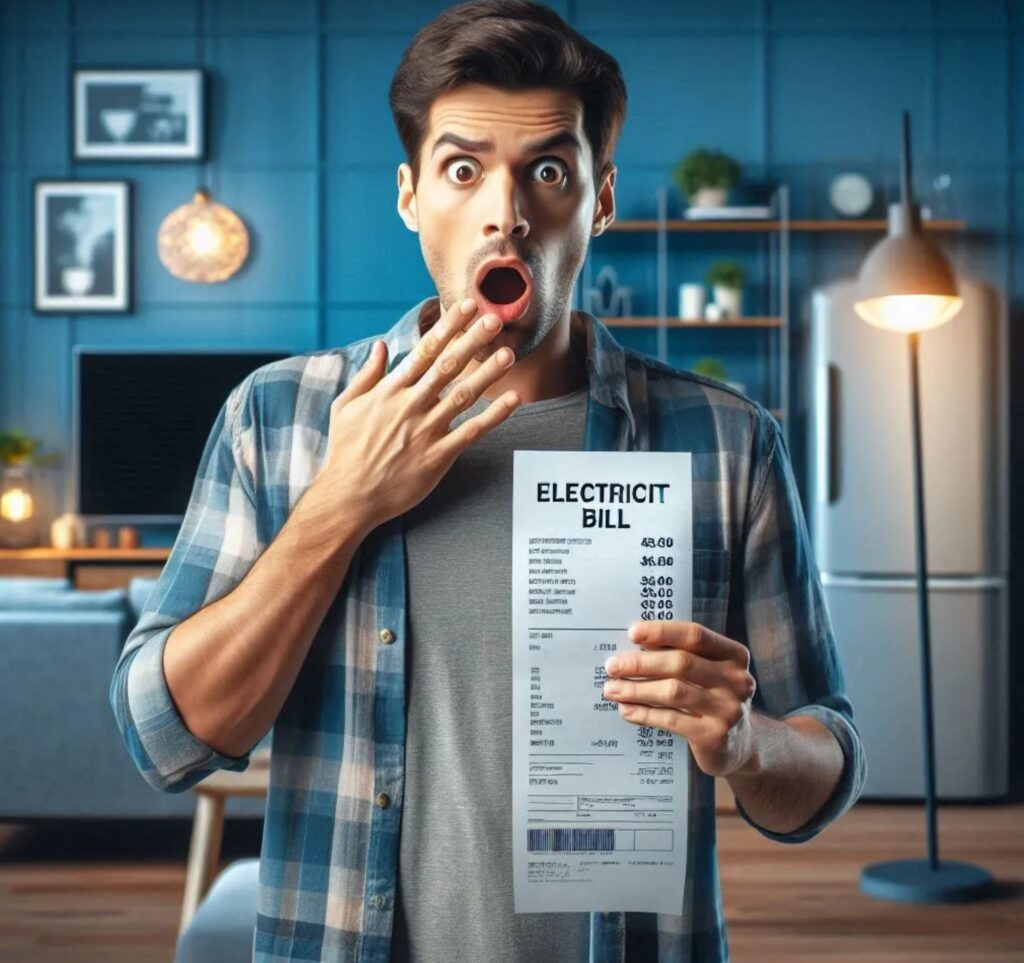
“It is a penalty, a stick without a carrot. There’s nothing you can do about it. It’s almost like a secretive approach to try and charge more money for the same service that you used to have.”
This video is pure propaganda.